

Small Business Branding: The Complete Guide to Building a Strategic and Profitable Brand

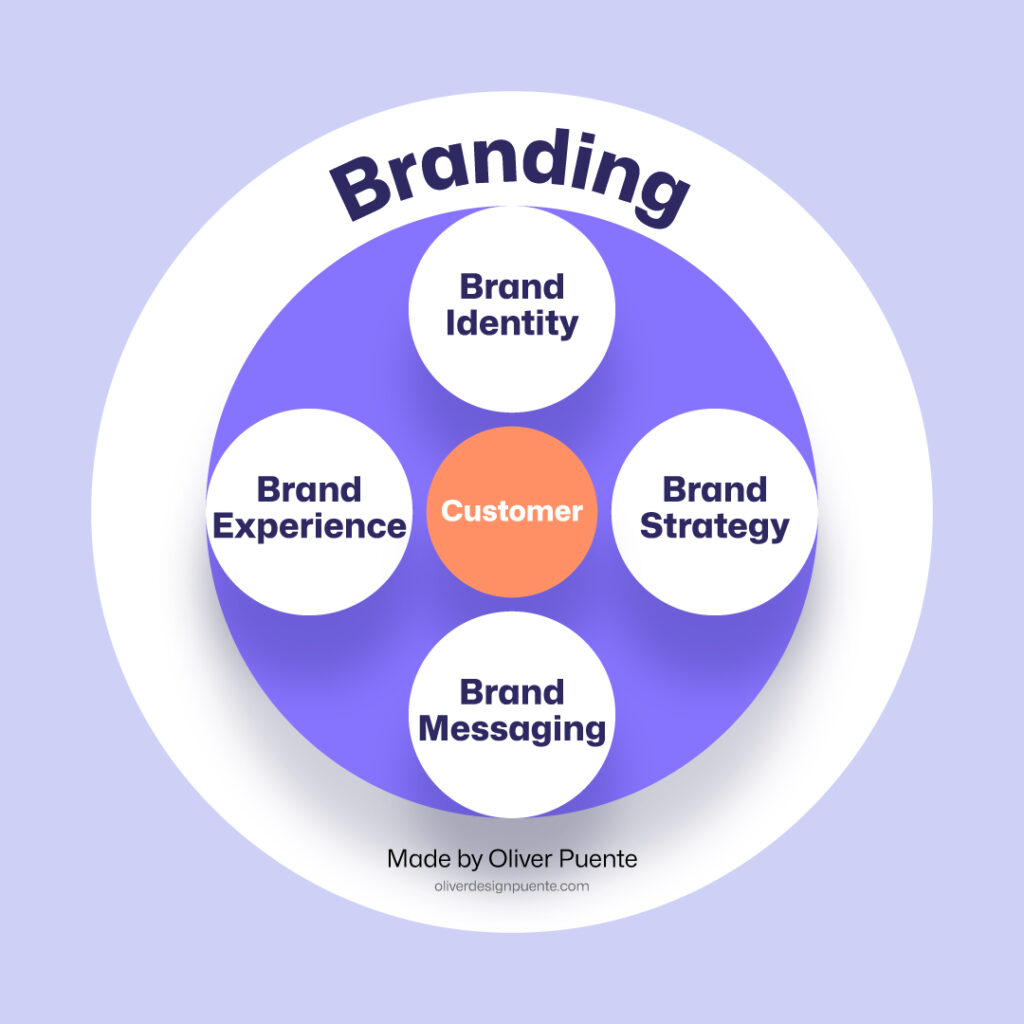
Branding is one of the most misunderstood topics in the small business world.
(Especially in e-commerce)
Most people think it’s about logos, fonts, and colors.
In reality, branding is waaaaay more!
It is about the strategic work that shapes how people perceive your business, and for small businesses, that perception can mean survival or failure.
Over the years, I’ve branded local workshops, product-centered companies, automotive service providers, and even pet brands.
One thing became clear early in my career: branding for small businesses is not the same as branding for big companies, and treating them the same usually leads to wasted money and disappointing results.
This guide will show you the exact process, strategy, and mindset small businesses should follow to build a brand that customers recognize, trust, and choose, even in crowded markets.
What Small Business Branding Really Is (and What It Isn’t)
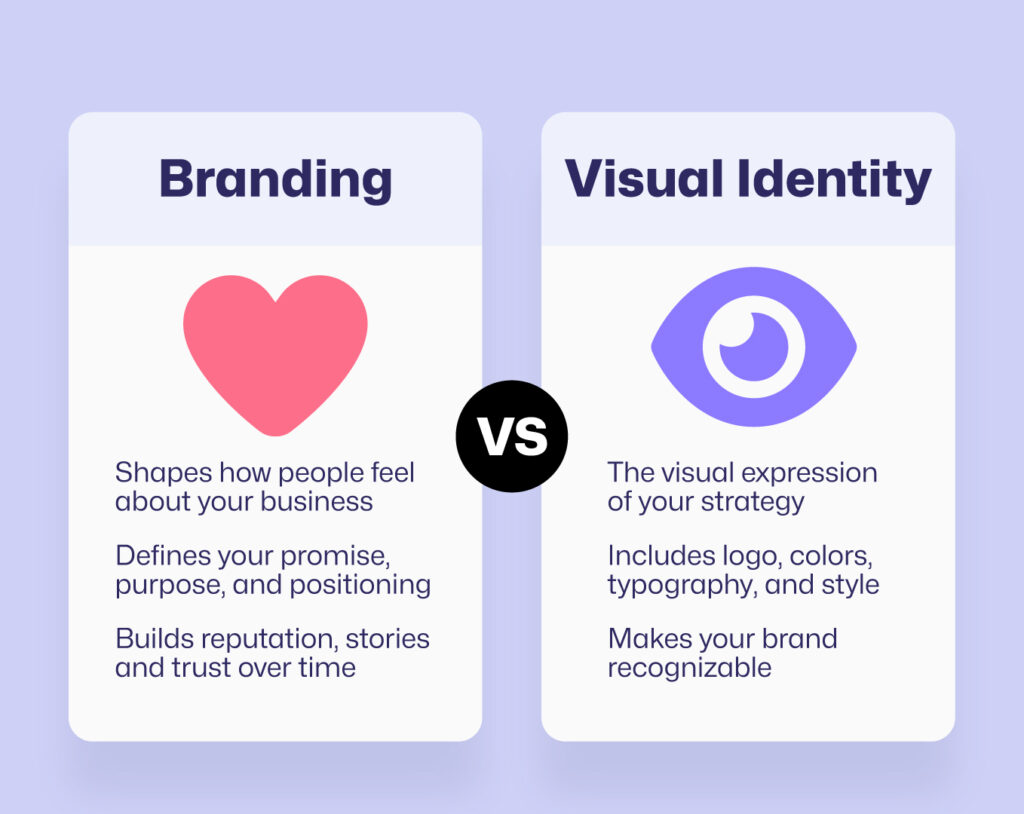
Branding vs. Visual Identity
Most small business owners start branding by hiring someone to create a logo.
That’s backwards.
A logo is a result of branding, not the definition of it.
Branding is:
- How customers feel when they interact with you
- The promises you make and keep
- The reputation that forms around your business
- The story people tell about you when you’re not in the room
As I often tell my clients: if a visual identity doesn’t come from strategy, it’s just decoration.
Branding Lives in the Customer’s Mind
Your brand isn’t your logo, website, or tagline.
Your brand is the perception customers build through experience.
This is why two small businesses can offer the same service, but only one becomes the trusted choice in the community.
Why Small Businesses Need a Different Approach
Small businesses must build brands with:
- Limited budgets
- Limited time
- Limited resources
- Fast-changing conditions
- Direct customer contact
Because of this, branding must be lean, strategic, and focused on differentiation, not complexity or “looking pretty.”
Why Branding Works Differently for Small Businesses
Speed and Flexibility Are Your Superpower
When I worked with larger brands, rebranding took months. Small businesses can implement changes in a week.
That agility makes branding far more impactful.
Differentiation Beats Aesthetics
A small business wins when it becomes known for one thing.
The right positioning can outperform the most beautiful visual identity.
As I often tell clients: branding for small businesses isn’t about looking pretty, it’s about standing out.
When You Should NOT Invest Heavily in Design
If your business:
- Hasn’t validated its market
- Has inconsistent sales
- Isn’t sure who it serves
- Hasn’t defined a clear offer
…then spending $5,000+ on visual branding is a mistake.
At that stage, a simple, clean identity is enough. Strategy comes first.
The Strategic Foundations Every Small Business Brand Needs
Positioning: Define Your Place in the Market
Positioning determines how customers categorize your business.
If you don’t define your position, the market will define it for you (and that’s rarely in your favor).
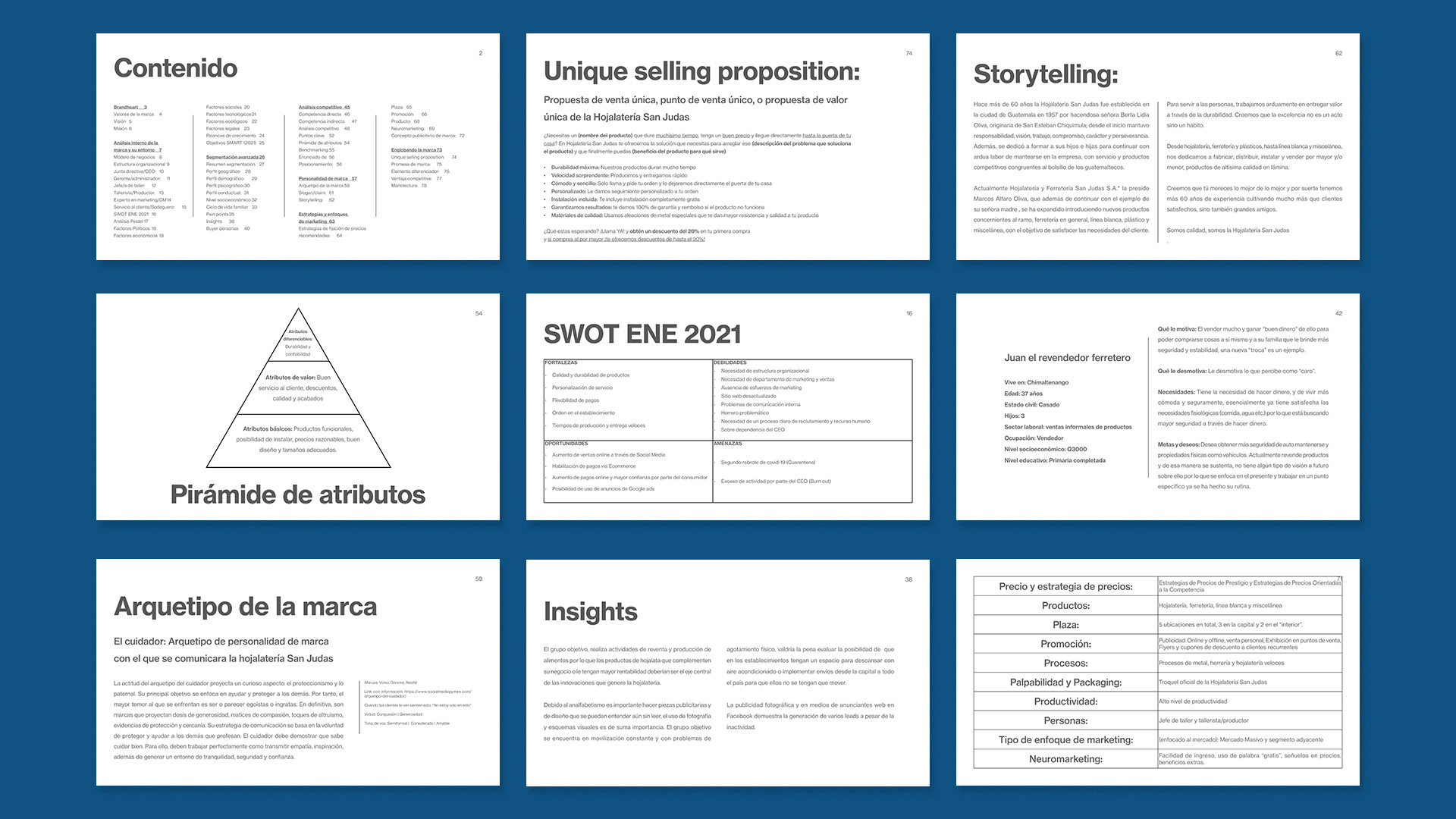
When I rebranded Hojalatería San Judas, the first step wasn’t colors, it was positioning.
They had decades of history, but the perception was outdated.
Strategy fixed that long before visuals did.
Audience Clarity
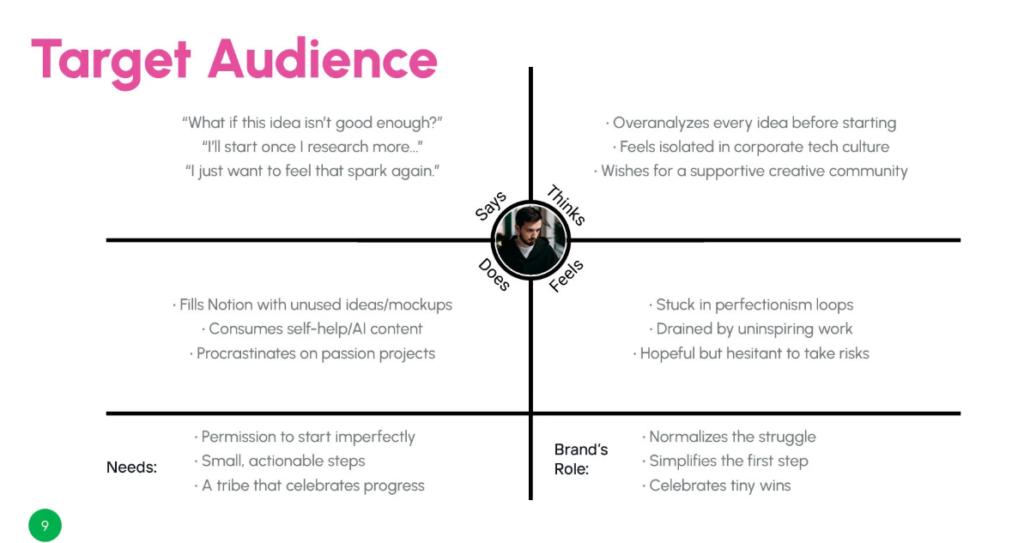
Small businesses often try to appeal to everyone.
But credibility comes from specificity.
Category Design
Instead of competing in a crowded category, create your own.
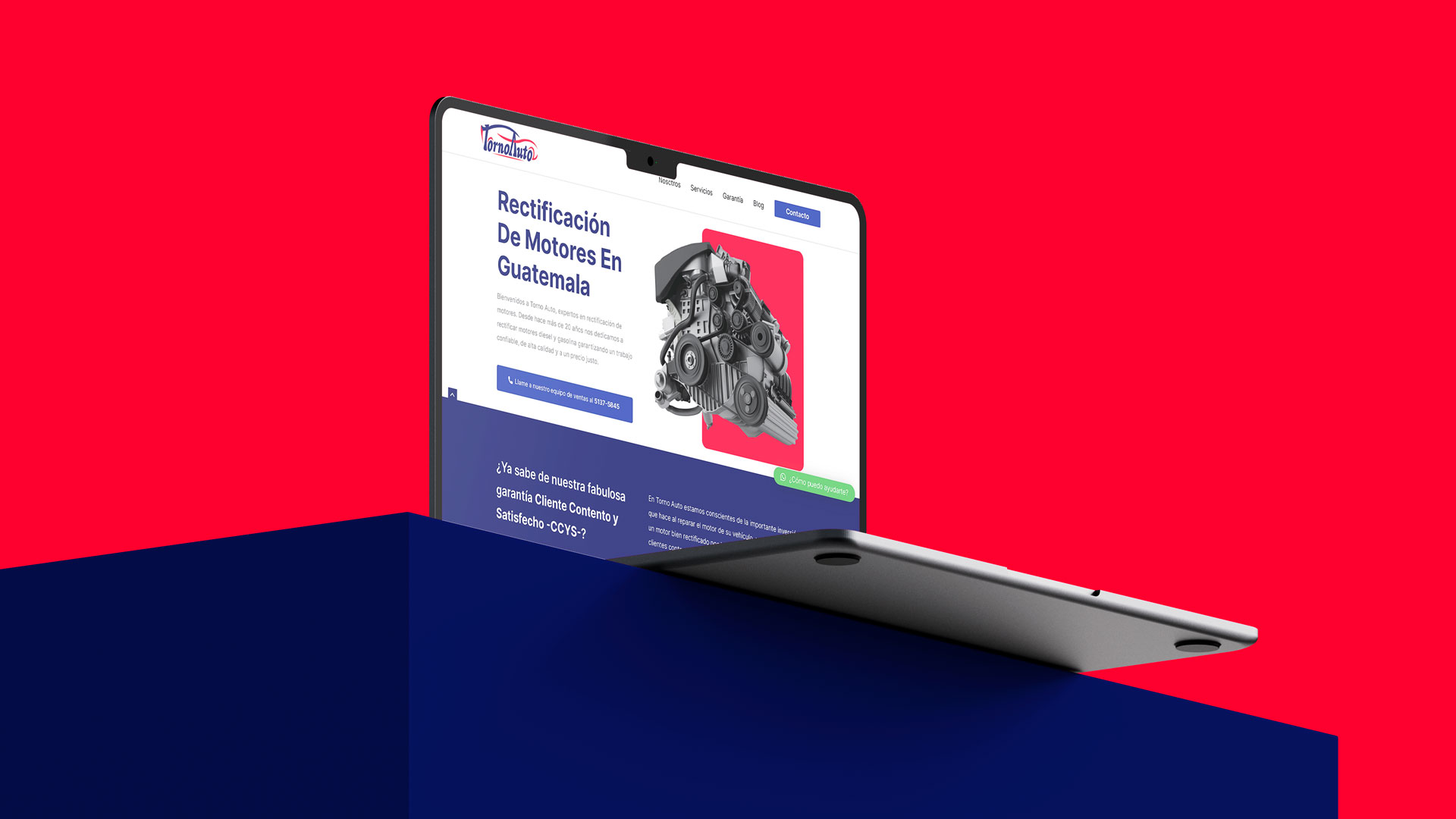
That’s exactly what happened with one of my clients “Torno Auto”.
Rather than being “just another mechanic workshop,” the brand was positioned as the leading engine rectifier in Chimaltenango (Guatemala).
Way better positioning and easier to market
The key learning is that category leadership beats competition.
Crafting Your Message
Your message should:
- Clarify what you do
- Explain why it matters
- Tell customers why you’re the right choice
A strong message becomes the backbone of every piece of marketing you create.
Visual Identity: Creating a System That Works (Not Just a Logo)
Crafting Your Message
For small businesses:
- A simple horizontal logo
- One strong symbol or no symbol at all
- Easy readability
- Works in black and white
yeah, if it works in black and white, it works everywhere.
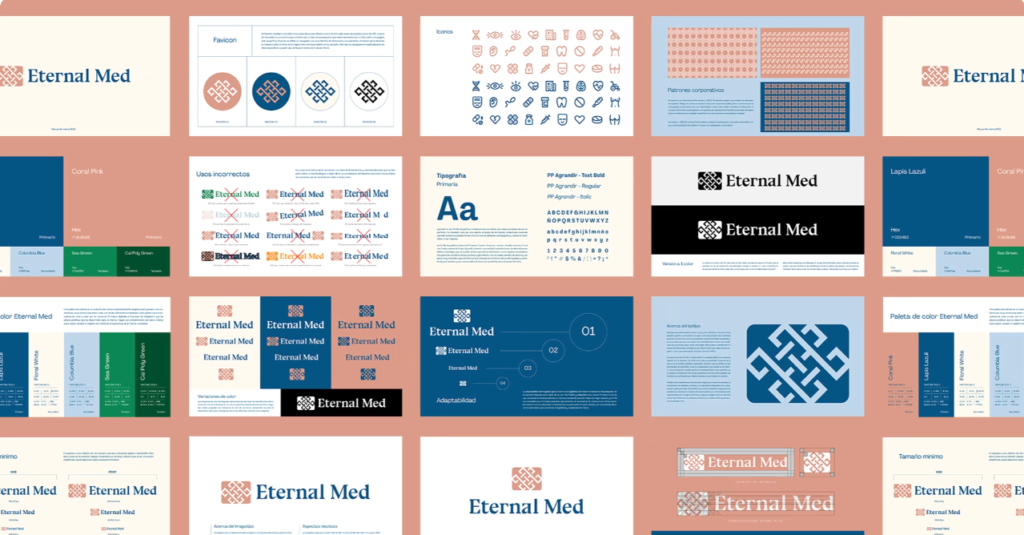
Colors, Typography, and Visual Language
A good visual identity includes:
- A defined color palette
- A typography system (titles, subtitles, body)
- Visual assets like patterns or icons
- Brand collateral (business cards, social graphics, etc.)
Keep It Simple
Complex logos break easily.
Simple ones scale, print, move, and stay consistent across every channel. This is very important for small business branding.
How Much Should a Small Business Invest in Branding?
Budgets for Early-Stage Businesses
If you’re just starting:
- A basic identity is enough
- Website can be one page
- Logo should be simple
- Marketing materials minimal
At this stage, you shouldn’t invest thousands. Validate first.
When Strategy Is Worth It
If your business is already selling and growing:
- Strategic branding becomes a multiplier
- You gain clarity
- You refine your value (and sometimes increase your margins / prices)
- You increase trust and perceived value
Avoid Overspending
I’ve seen small businesses spend $5,000–$7,000+ on visuals alone before validating their idea.
This is a mistake.
Invest in:
- Strategy
- Positioning
- A clean, professional identity
- The minimum marketing collateral you truly need
- Marketing Strategy
Freelancer vs. Agency
Freelancer is fine if you only need design (visuals)
Agency is better when you need strategy (visuals + strategy)
The Small Business Branding Process (Step by Step)
As a professional brand designer, this is the process I follow to deliver high converting brands to my clients.
You can follow your own process.
But for me, this is the bread and butter of brand design.
Research & Discovery
Understand:
- Industry
- Competitors
- Audience
- Trends
Strategy Development
Build:
- Positioning
- Values
- Personality
- Value propositions
- Messaging
Visual Exploration
Moodboards
100+ sketches (yes, even for small businesses)
Black-and-white concepts first
Concept Development
Select the best ideas
- Vectorize
- Refine
- Test for flexibility
Full Identity Development
Typography
Patterns
Brand assets
Marketing materials
Brand guidelines
Guidelines & Delivery
Prepare everything as if it were a franchise ready to be used by multiple people. This ensures long-term brand consistency for small businesses (AKA: branding)
Real Examples: How Strategic Branding Transforms Small Businesses
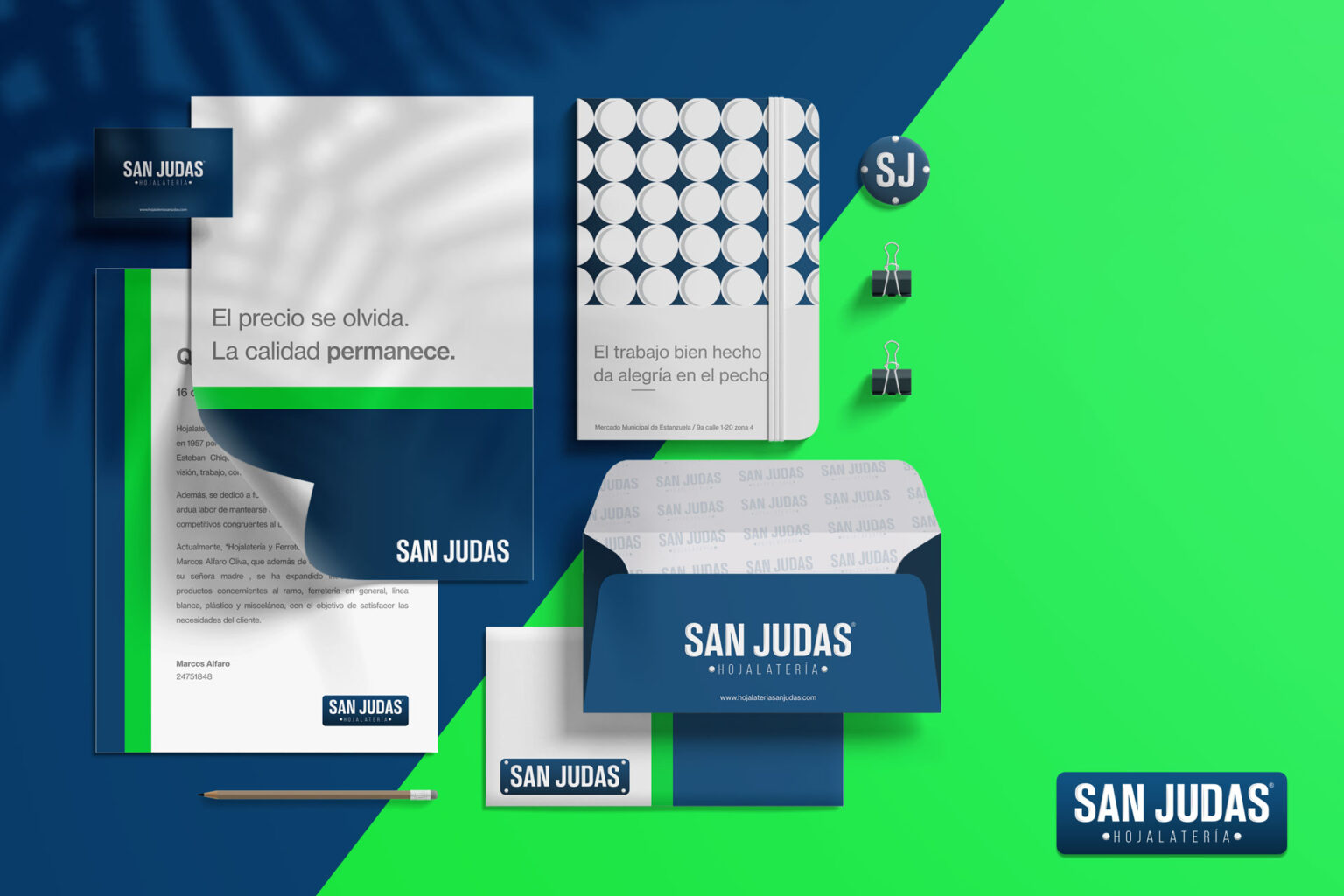
Case: Hojalatería San Judas
Their shop looked outdated and unprofessional, despite years in business.
We rebuilt their brand from the inside out, starting with strategy. Visual identity simply aligned the perception with the quality they already had.
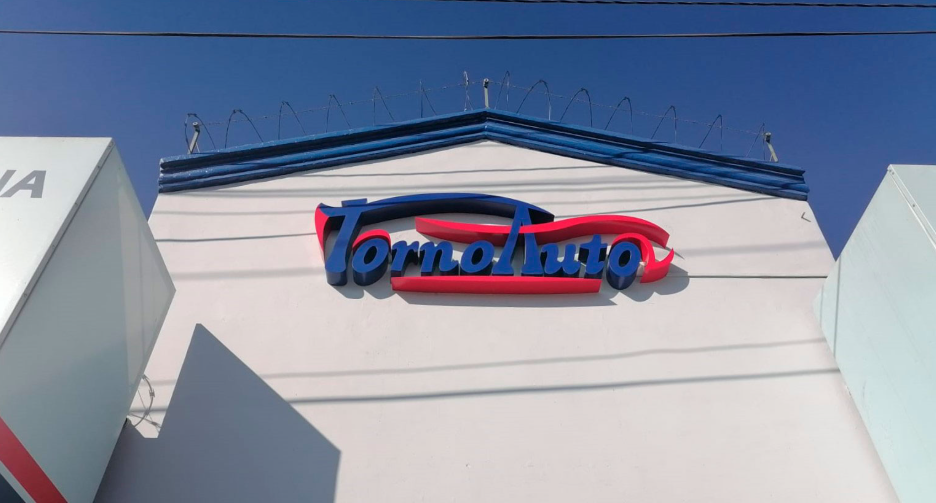
Case: Torno Auto
Instead of competing as another mechanic, we positioned them as engine specialists.
That strategic move instantly separated them from the market.
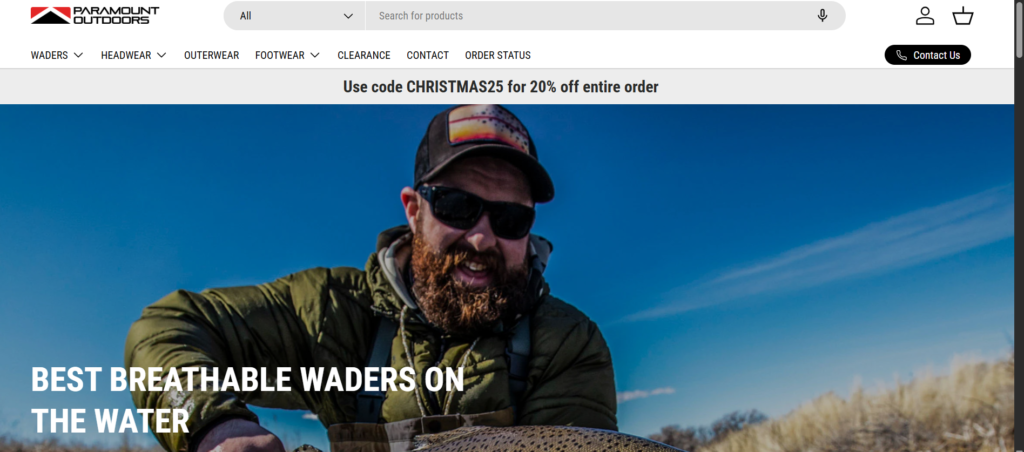
Case: Paramount Outdoors
I used to design ads for them, they sold waders and fishing gear.
Their specificity made them credible.
Specificity builds trust.
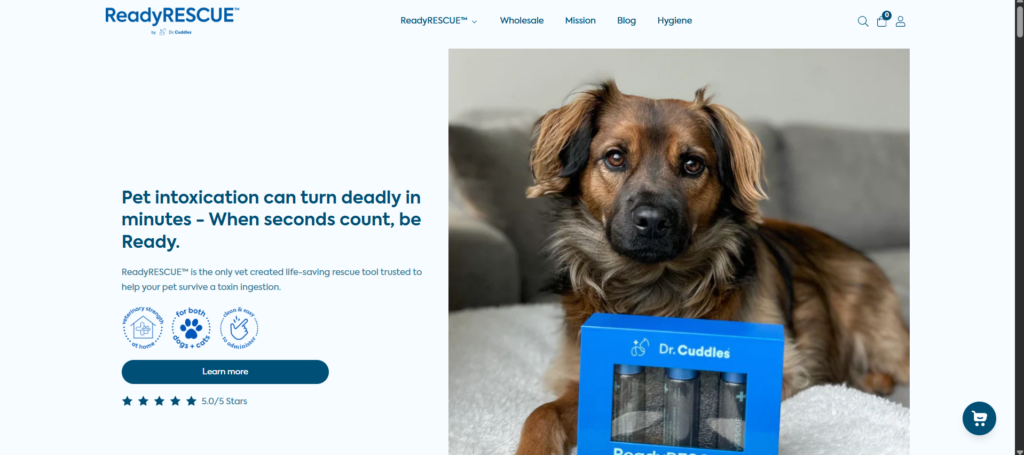
Case: Dr. Cuddles / Ready Rescue
We didn’t market the product first, we marketed the category: veterinary-grade activated charcoal for dogs. (I also, used to design ads for them, so I kinda understood what works and what doesn’t.)
Educating the consumer created demand = sales
How to Implement Your Branding for Maximum Impact
Marketing Materials That Matter
Start with:
- A one-page website
- Business cards
- Social templates
- Product packaging
- Basic brand collateral
How Long Branding Takes to Work
Branding isn’t instant.
Marketing results appear after months, not days.
Small businesses must understand this or they’ll assume the branding “isn’t working”.
Raise Perceived Value
Branding increases:
- Trust
- Professionalism
- Credibility
- Expectations
- Pricing power
Common Small Business Branding Mistakes (and How to Avoid Them)
1. Investing in Visuals Without Strategy
A beautiful logo with no direction is a waste of money.
2. Trying to Appeal to Everyone
Specificity builds credibility.
3. Overcomplicating the Identity
Complex systems break easily.
4. Rebranding like crazy
Rebrand when your business evolves, not just because you’re bored with your logo, sales have dropped, or your partner says it’s not great. Think strategically.
FAQs: Small Business Branding
Do small businesses really need branding?
Yeees, if you want to differentiate and grow.
Is branding different for small and big businesses?
Completely. Small businesses move faster and rely more on differentiation.
How much should a small business invest in branding?
Anywhere from $500 to $5,000 depending on stage and goals.
What comes first: strategy or design?
Strategy, ALWAYS.
How long does small business branding take?
A few weeks to a few months, depending on depth.
Conclusion: Branding Is the Most Valuable Investment a Small Business Can Make
Small business branding isn’t about becoming famous.
It’s about becoming the obvious choice.
When done right:
- You stand out
- You increase perceived value
- You attract better clients
- You build trust faster
- You grow strategically
And most importantly, you stop competing on price and start competing on value, emotions, and trust.
Branding is the foundation every small business should build before trying to scale, and it’s the smartest investment a small business can make.

Oliver Puente
Brand Strategist & Identity Designer
Venezuelan-born designer who moved to Guatemala, struggled on a low salary, and realized he needed to level up. Became obsessed with branding, marketing, and eCommerce, learned English, and now works with multi-million-dollar DTC brands solving deep creative marketing problems.
Book a 1-1 call (You’ll be taken to a scheduling page)