

The Ultimate Guide to Ecommerce Branding: How to Stand Out, Sell More, and Build Long-Term Trust
Good ecommerce branding isn’t just a “nice-to-have.”
In my experience working with marketing agencies and large ecommerce teams, branding is the strategic backbone that determines whether a store becomes a forgettable commodity… or a long-term, trusted business.
Today, when product quality is high everywhere and margins get thinner each year, the only way to truly stand out is by shaping how customers perceive YOU.
Branding is basically the art of positioning, of intentionally shaping the story people tell themselves about your product.
Let me break down the fundamentals, the mistakes I’ve made, the lessons I’ve learned as a brand designer, marketer and now business owner, and the practical steps that actually move the needle in ecommerce branding.
What Ecommerce Branding Really Means Today
Branding as the art of perception and positioning
Branding is not your logo, your color palette, or your packaging alone.
Those are expressions of branding, not its essence.
The real core is perception: How do people see you? Why should they trust you? And why should they choose you over someone offering the same product for half the price?
When I managed ecommerce products in saturated markets, I learned that good branding is how you influence these perceptions—even before customers try the product. Because in ecommerce, most consumers can’t tell which product is “better” just from pictures. They rely on trust, clarity, and emotional cues.
Why differentiation matters in saturated markets
If you sell in crowded categories like shoes, cosmetics, or home goods, the audience is not really buying the product, they’re buying your angle.
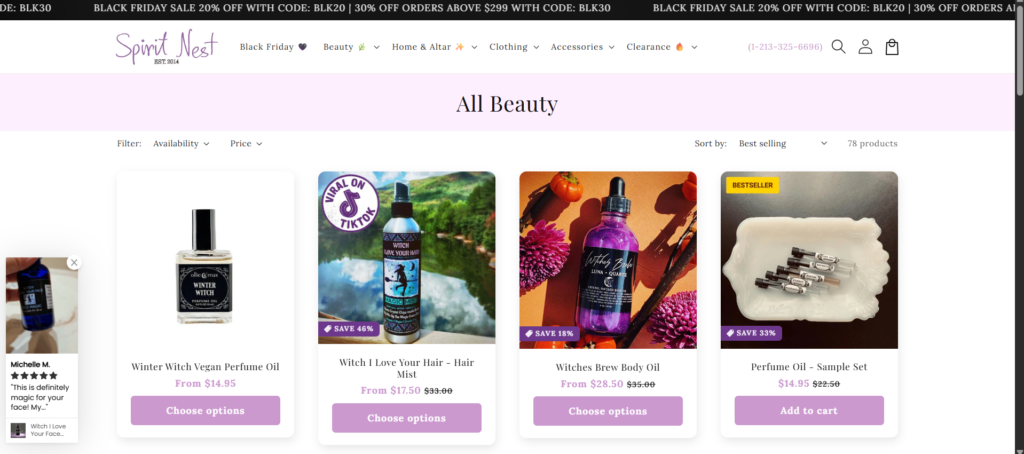
For example, at one point I managed cosmetic products aimed at alternative, witchy, goth-inspired audiences. I wasn’t the target audience myself, but the positioning worked because it spoke directly to a subculture. That’s what branding does: it narrows the message and amplifies its impact.
Why Branding Is the #1 Growth Lever for Online Stores
Branding reduces CAC and boosts willingness to pay
A clear brand lowers your customer acquisition cost. In my experience, when a brand’s message is focused and relevant, ads convert better, retargeting becomes cheaper, and customers return more often.
People are willing to pay more for what they trust—branding builds that trust.
How strong brands justify premium prices
A polished identity, cohesive design system, and consistent voice allow you to price higher without resistance.
I always say: you can tell when you’re dealing with a professional brand or a BS product, because professionalism shows in every touchpoint, the details. “The eyes don’t lie, chico”

Why generalist stores struggle while niche brands thrive
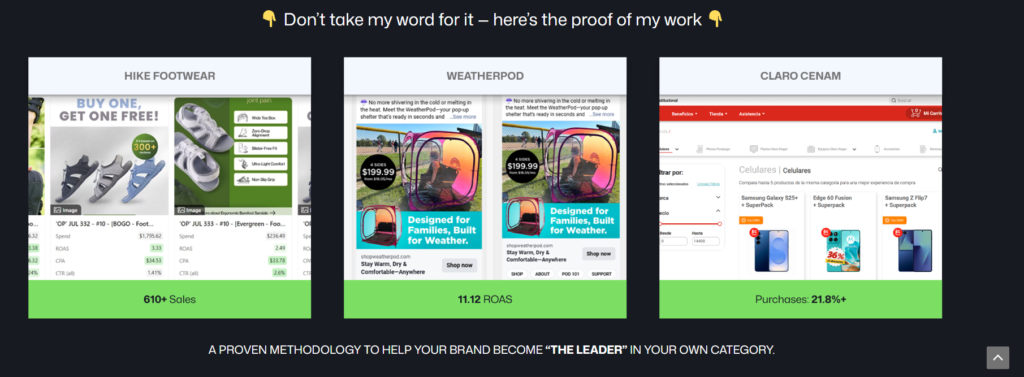
One of my biggest lessons came from working with a Peruvian home-goods brand. The founder wanted to compete with massive companies dominating the “general home goods” category.
I built the identity, he loved it… but I made one mistake:
I didn’t challenge the core assumption.
He had zero chance of beating the general giants. The brand was too broad, the audience undefined, and the category too competitive. Looking back, the right move would have been niche focus, like:
cookware for Peruvian pastry makers
stoves made for traditional lunch meals
or kitchen tools tailored to older adults
Branding without strategic focus doesn’t save a business.
Lessons I Learned Working With Real Ecommerce Brands
What working with marketing agencies taught me about brand clarity
Over the years, I’ve seen that the brands that win are not the ones with the best graphics, they’re the ones with the clearest value proposition. Clear messaging beats pretty visuals every single time.
The mistakes I made with the Peruvian home-goods brand
As I mentioned, I should have pushed the business toward a niche instead of a general audience. Trying to compete with established giants is a losing game if you don’t specialize.
What I learned at Claro about UX, pricing strategy, and customer acquisition
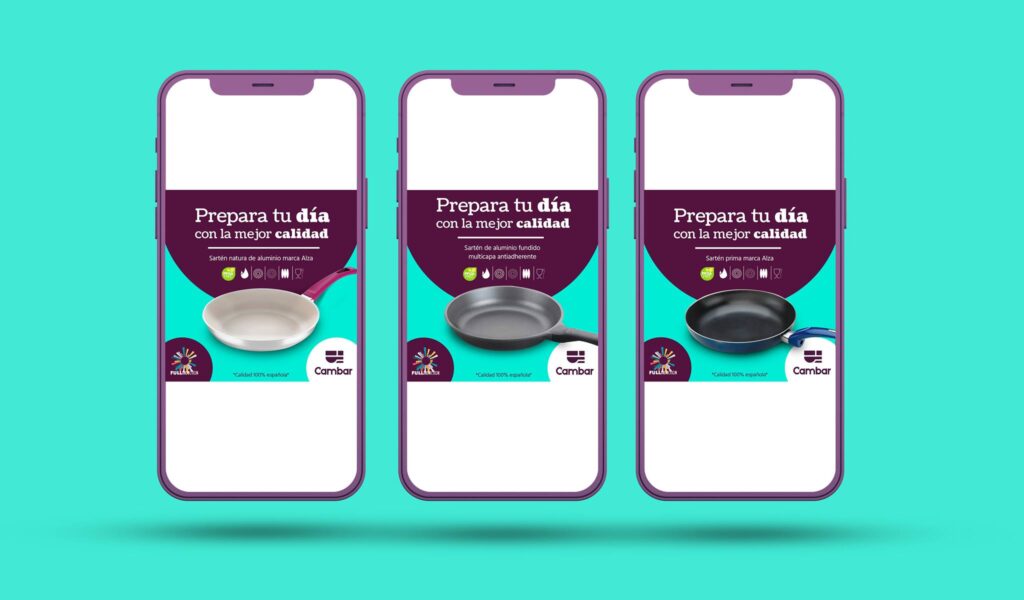
When I worked in the ecommerce team of Claro, one of the biggest telecom companies in Central America, I saw firsthand how giant organizations structure ecommerce branding:
- Frictionless UX wins: the fewer steps, the higher the conversion.
- Aggressive entry pricing works (Kinda): sometimes you “lose” on the first purchase to win on the long-term relationship (like selling phones almost at cost to recover through the plan).
- Data rules everything: without analytics, branding decisions are blind.
These lessons shaped how I now guide ecommerce brands.
Why visuals and messaging must support the positioning
If you position yourself as a premium brand but your website looks cheap, customers feel the contradiction immediately.
I’ve seen brands sabotage themselves because their identity didn’t match their promise.
How to Build a Strong Ecommerce Brand (Step-by-Step)
1. Choose a niche with specific pains, not a broad audience
You don’t win ecommerce by selling to “everyone.”
You win by solving one group’s specific problem extremely well.
2. Craft a clear value proposition customers instantly understand
Your customer should know in three seconds:
- what you sell
- who it’s for
- why it matters
3. Align your visual identity with your market and price point
- Minimalist + premium works for luxury.
- Bright + dynamic works for youth culture.
- Warm + earthy works for wellness.
There are lots of formulas out there. Just research and pick the best one for your ecommerce brand
4. Build a consistent brand voice across all touchpoints
Consistency builds familiarity.
Familiarity builds trust.
Trust converts.
5. Simplify the customer journey to remove friction
From my time at Claro (Huge Telcom), this rule never failed:
The fewer steps, the more money you make.
Branding Strategies That Work in 2026
Storytelling that builds relevance, trust, and connection
From my time at Claro (Huge Telcom), this rule never failed:
The fewer steps, the more money you make.
Premium visual systems inspired by current design standards
Behance sets the tone for what “modern” looks like.
Use it as inspiration, not imitation.
Subscription models and how they change brand perception
Subscription-based ecommerce adds stability and strengthens brand loyalty.
Data-driven branding: making decisions with analytics
Your brand must evolve based on what works, not on intuition alone.
Common Ecommerce Branding Mistakes (And How to Avoid Them)
Confusing branding with just “a nice logo”
A box with your logo won’t fix your business.
Trying to sell to everyone and ending up with nobody
This is the mistake I saw most often in agencies (and I’ve made it myself lol)
Visual identity that contradicts the brand promise
If you look cheap, people will assume your product is cheap.
Scaling without refreshing the brand system
Many brands grow, but their identity stays stuck in year one.
Final Thoughts: Branding as a Mid-Term Investment That Compounds Over Time
Branding doesn’t make you rich tomorrow.
But it makes you competitive next month—and unstoppable next year.
When you validate your product, branding becomes your strongest lever for:
- lowering acquisition costs
- boosting perceived value
- building loyalty
- differentiating in saturated markets
If there’s one thing I’ve learned after working across agencies, telecom, and ecommerce brands of all sizes, it’s this:
Marketing is asking someone to marry you.
Branding is the reason they say yes.
FAQs About Ecommerce Branding
Does branding increase sales?
Yes, indirectly. It boosts trust, loyalty, and conversion rates. Think mid to long term.
Is branding worth it for small ecommerce stores?
Only after validating demand. Then it becomes essential.
How long does it take to build a recognizable brand?
Usually 6–18 months depending on consistency.
Is visual identity enough?
No. Branding includes message, positioning, UX, pricing strategy, and customer experience.

Oliver Puente
Brand Strategist & Identity Designer
Venezuelan-born designer who moved to Guatemala, struggled on a low salary, and realized he needed to level up. Became obsessed with branding, marketing, and eCommerce, learned English, and now works with multi-million-dollar DTC brands solving deep creative marketing problems.
Book a 1-1 call (You’ll be taken to a scheduling page)